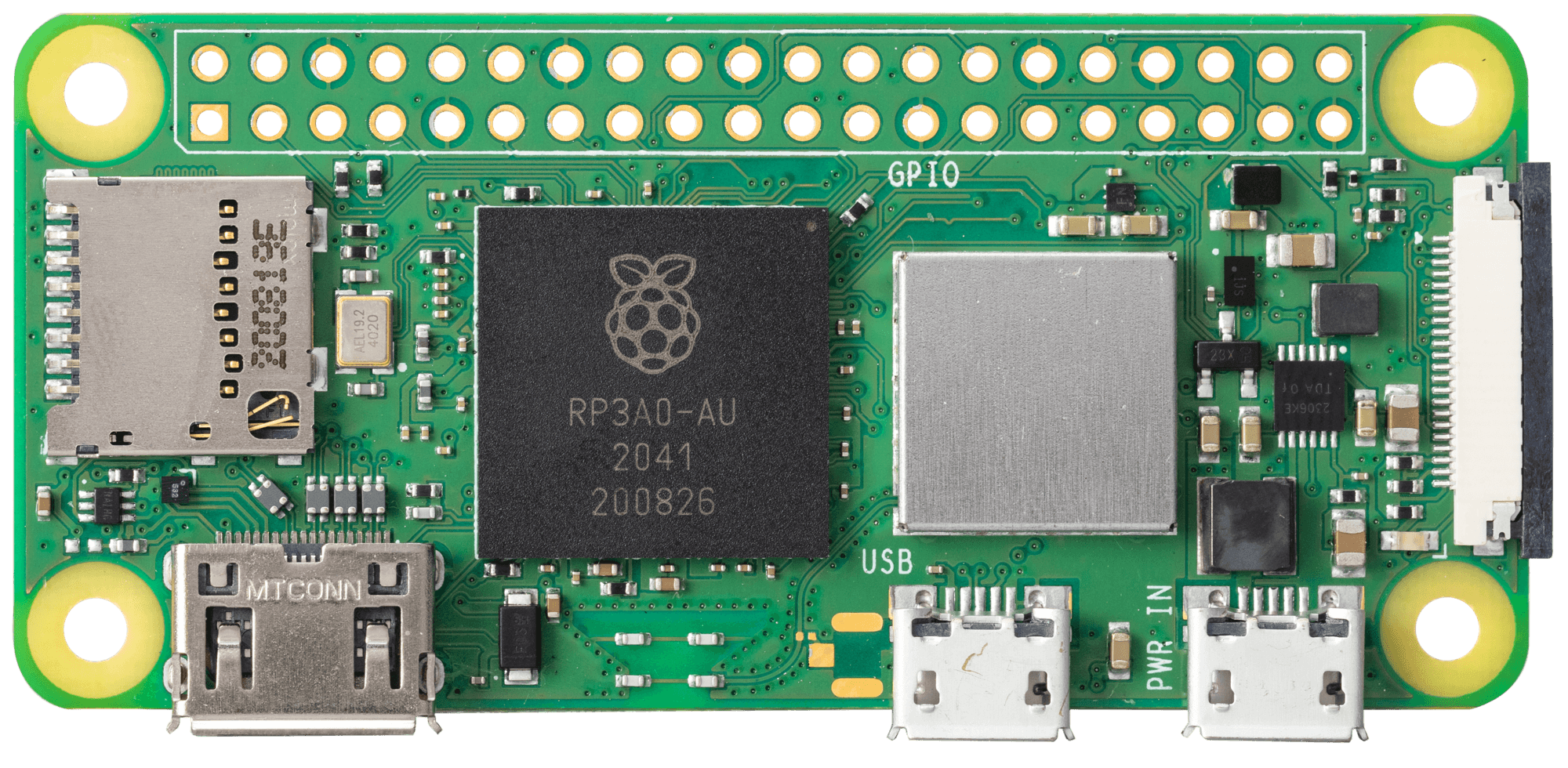
Raspberry Pi Zero 2 W
Category: Raspberry pi
₦30000.00
The Raspberry Pi Zero 2 W is a compact, low-cost, and energy-efficient single-board computer designed for learning, IoT projects, and embedded systems.
Key Features
Quad-core ARM Cortex-A53 processor
512 MB LPDDR2 RAM
Built-in 2.4 GHz Wi-Fi (802.11 b/g/n)
Bluetooth 4.2 support
Mini HDMI video output
Micro-USB for power and data
40-pin GPIO header (unpopulated, requires soldering)
Ultra-small form factor for space-constrained projects
Detailed Description
The Raspberry Pi Zero 2 W is an upgraded version of the original Raspberry Pi Zero, offering a quad-core CPU and better performance while maintaining the same tiny size. Its small footprint makes it ideal for projects where space is limited, such as wearable electronics, compact IoT devices, and robotics.
Despite its small size, the Zero 2 W delivers impressive performance for light computing, programming, and embedded applications. Built-in Wi-Fi and Bluetooth allow seamless wireless connectivity for IoT systems, home automation, and remote monitoring.
The board supports Raspberry Pi OS and other lightweight Linux distributions, making it suitable for students, hobbyists, and developers who need a low-power, portable computing solution.
Technical Specifications
Processor: Quad-core ARM Cortex-A53 (64-bit)
Clock Speed: 1.0 GHz
RAM: 512 MB LPDDR2
Operating Voltage: 5V (via micro-USB)
Video Output: Mini HDMI (1080p)
USB Ports: 1 × micro-USB (data), 1 × micro-USB (power)
Networking: Wi-Fi 2.4 GHz
Wireless: Bluetooth 4.2
GPIO: 40-pin header (requires soldering)
Storage: microSD card slot
What’s in the Box
1 × Raspberry Pi Zero 2 W
(Power adapter, microSD card, mini-HDMI adapter, and case sold separately unless stated otherwise)
Ideal For
IoT and wireless projects
Compact robotics and embedded systems
Educational and programming projects
Low-power desktop computing in a small form factor
Remote monitoring and automation
Important Note
The Raspberry Pi Zero 2 W requires a stable 5V power supply (2A recommended). A microSD card with an operating system is required to start. GPIO pins are unpopulated and need soldering for hardware connections.